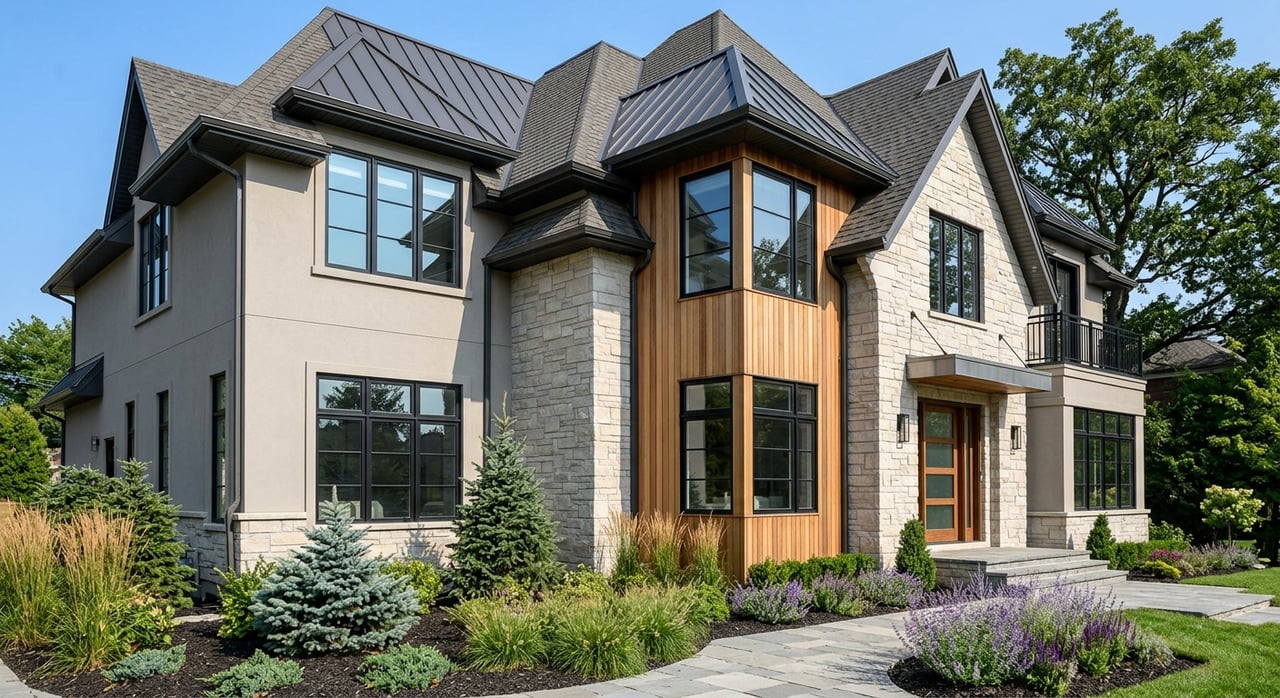
If you have looked at homes in Castle Rock, you have probably noticed one thing right away: there is no single “Castle Rock style.” Instead, you will find a mix of historic homes, updated neighborhood favorites, and newer luxury properties that reflect the area’s rolling terrain, Front Range views, and semi-rural character. Understanding those design patterns can help you buy with more confidence, renovate more wisely, and position your home more effectively when it is time to sell. Let’s dive in.
Why Castle Rock Homes Feel So Distinct
Castle Rock has an intentionally eclectic architectural identity. According to the Town, the community includes homes that are more than 100 years old near the center of town, along with newer construction in many different styles and settings. That variety is part of what gives Castle Rock its appeal.
The local design character is shaped by topography, mountain views, and a semi-rural setting. In practice, that means homes often feel connected to the land rather than dropped onto it without context. You can see that in material choices, rooflines, window placement, and the way indoor and outdoor spaces work together.
Historic Castle Rock Design Styles
Bungalows and early vernacular homes
In the historic Craig and Gould district, the Town identifies bungalows along with one- and two-story frame and stone houses. These homes often carry a simpler, grounded look that fits the original streetscape. Their charm usually comes from proportion, texture, and restraint rather than oversized design features.
Downtown Castle Rock also retains stone-vernacular and brick-vernacular buildings. Those materials help tell the story of the town’s earlier built environment and still influence how people think about authenticity and local character today.
What older homes share
For older and historic homes, local guidance emphasizes front porches, traditional window and door proportions, and materials like brick, stone, stucco, and painted wood. Earth-toned materials also align with the Town’s recommendations. If you own an older home, these cues matter because they support the property’s original scale and presence.
Infill and updates in these areas are expected to respect the streetscape rather than overpower it. In Craig and Gould, the Town specifically points to bungalows, frame-and-stone houses, generous setbacks, and a small-village character. That makes thoughtful, style-sensitive updates especially important.
Popular Newer Home Styles in Castle Rock
Mountain contemporary homes
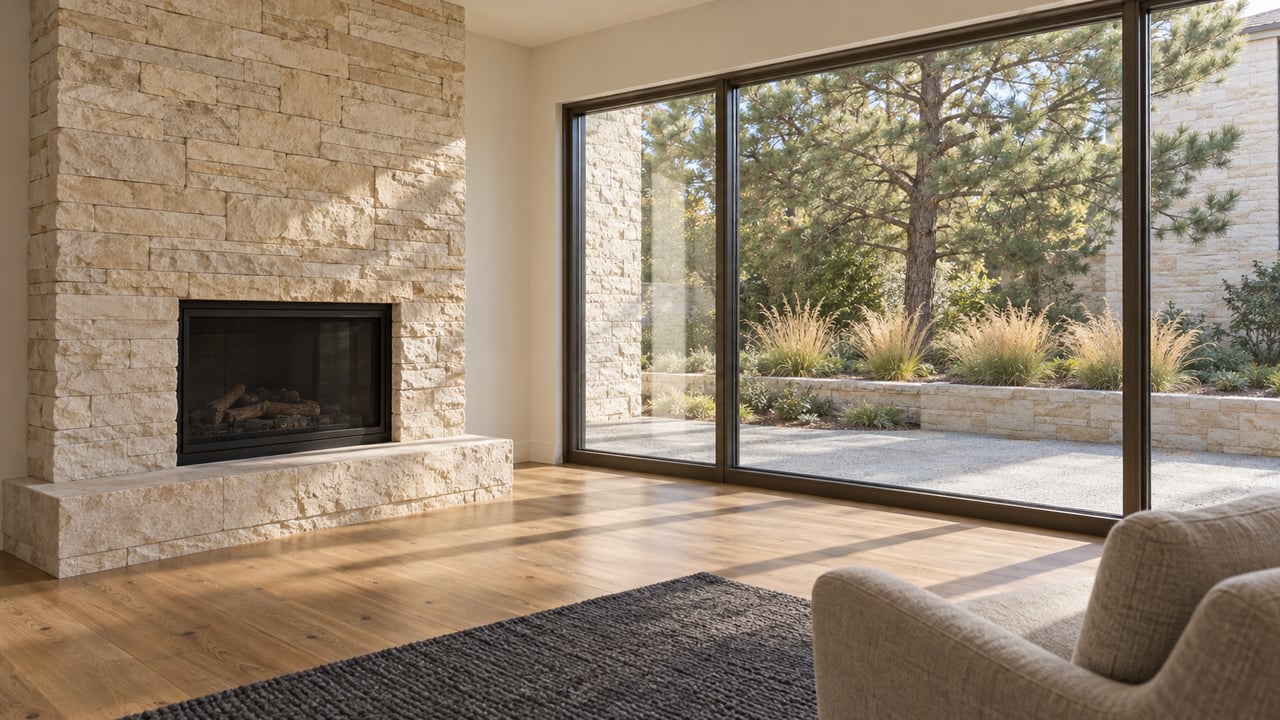
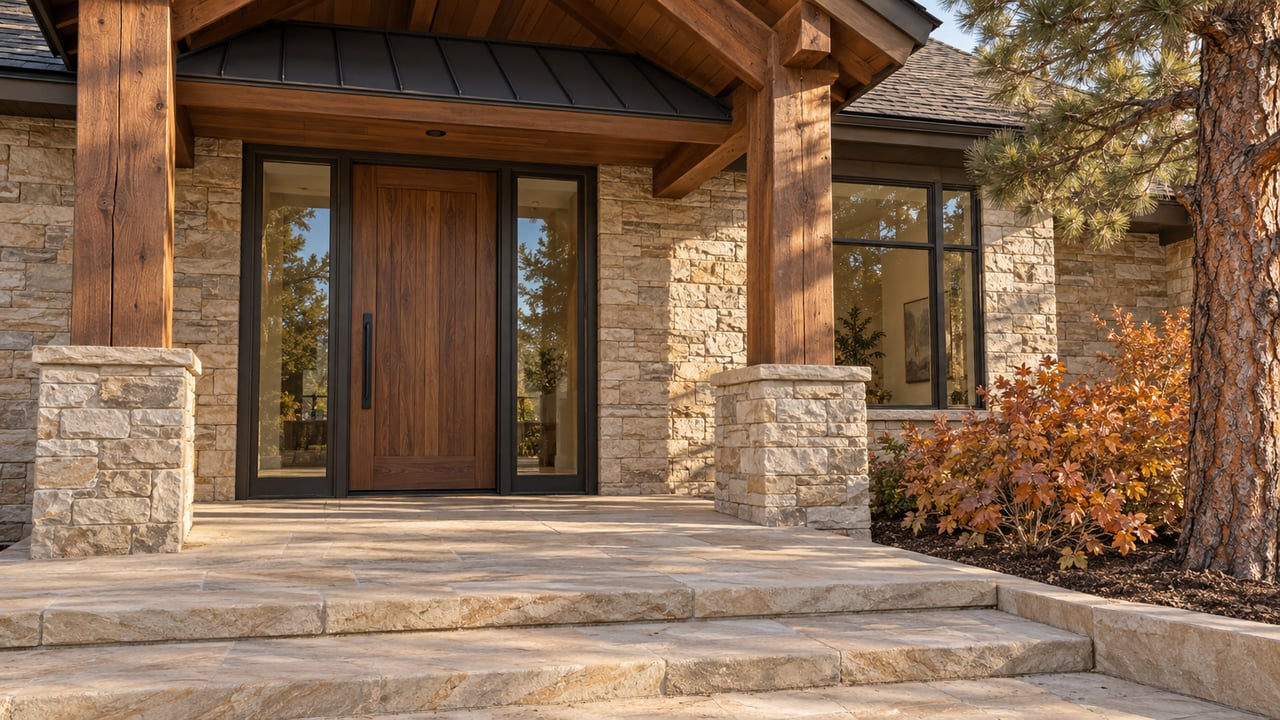
Mountain contemporary, sometimes called mountain modern, is one of the clearest signatures in Castle Rock’s luxury market. Recent examples often feature expansive windows, vaulted ceilings, stone fireplaces, timber or alder accents, and covered decks that extend living space outdoors. The overall look blends rustic materials with cleaner lines and a more current feel.
This style works well in Castle Rock because it connects architecture to views and natural light. Large windows frame the landscape, while stone and wood tie the home back to the Front Range setting. For many buyers in the upper move-up and luxury market, this design language feels both elevated and livable.
Modern farmhouse and contemporary traditional
In newer master-planned communities, modern farmhouse and contemporary traditional styles are especially common. Builders in communities like Montaine highlight modern farmhouse, craftsman, and sleek contemporary options. Across public listings, you can see a consistent design vocabulary that speaks to how many buyers want to live now.
Typical features include open-concept great rooms, large kitchen islands, quartz counters, white or soft-toned cabinetry, black fixtures, and sliding glass doors that open to patios or decks. These homes often feel bright, casual, and easy to use day to day, which is a big part of their appeal.
Rustic contemporary and estate hybrids
On larger lots and near the edges of town, homes often become more rustic and more responsive to the site. Douglas County’s rural design guidance recommends natural materials such as wood, stone, stucco, and brick, with earth-tone palettes and varied rooflines that blend with the natural setting. That approach shows up clearly in many estate-style and custom homes.
You will often see a mix of stone exteriors, exposed beams, wide-plank floors, and panoramic views paired with luxury finishes. Some listings describe these homes as rustic modern, contemporary rustic, or mountain style. While the labels vary, the shared idea is a home that feels substantial, warm, and tied to its surroundings.
Interior Design Trends Buyers See Most
Bright, open, and texture-forward
Across Castle Rock listings, the most common interior look is not overly formal or ornate. Instead, it tends to be bright, flexible, and driven by natural texture. Open floor plans, neutral palettes, and durable but upscale finishes dominate the market.
Common features include wide-plank wood or LVP flooring, quartz or granite counters, stone or stacked-stone fireplaces, and wood beams. These materials add warmth without making a home feel heavy. In higher-end homes, that balance often helps spaces feel current while still feeling comfortable.
Indoor-outdoor living matters
Large sliders, covered patios, and decks show up again and again in Castle Rock homes. That is not just a design trend. It reflects how people want to use their homes here, especially with views, open skies, and the area’s natural setting.
When indoor and outdoor spaces connect well, a home often feels larger and more functional. For sellers, this can also be an important part of presentation because buyers tend to respond strongly to homes that make entertaining and everyday living feel seamless.
Main-floor living remains popular
Main-floor primary suites and ranch-style plans are also common in Castle Rock’s move-up and luxury segments. These layouts appeal to many buyers because they offer flexibility and convenience without sacrificing style. In practical terms, they can broaden a home’s appeal when it comes time to sell.
What Design Rules Mean for Renovations
Compatibility usually wins
Castle Rock’s design guidance favors compatibility. Materials and colors should harmonize with the neighborhood, façades should include articulation and varied rooflines, and new development should preserve scale and character instead of overwhelming adjacent homes. That principle has real value for homeowners planning updates.
If you are renovating, the safest strategy for resale is often to refine your home’s existing style rather than replace it with something disconnected from the neighborhood context. A mountain contemporary home usually performs best when its updates deepen that identity. A traditional or historic home usually benefits more from preserving proportion and key architectural cues than from chasing a completely different trend.
Exterior materials matter
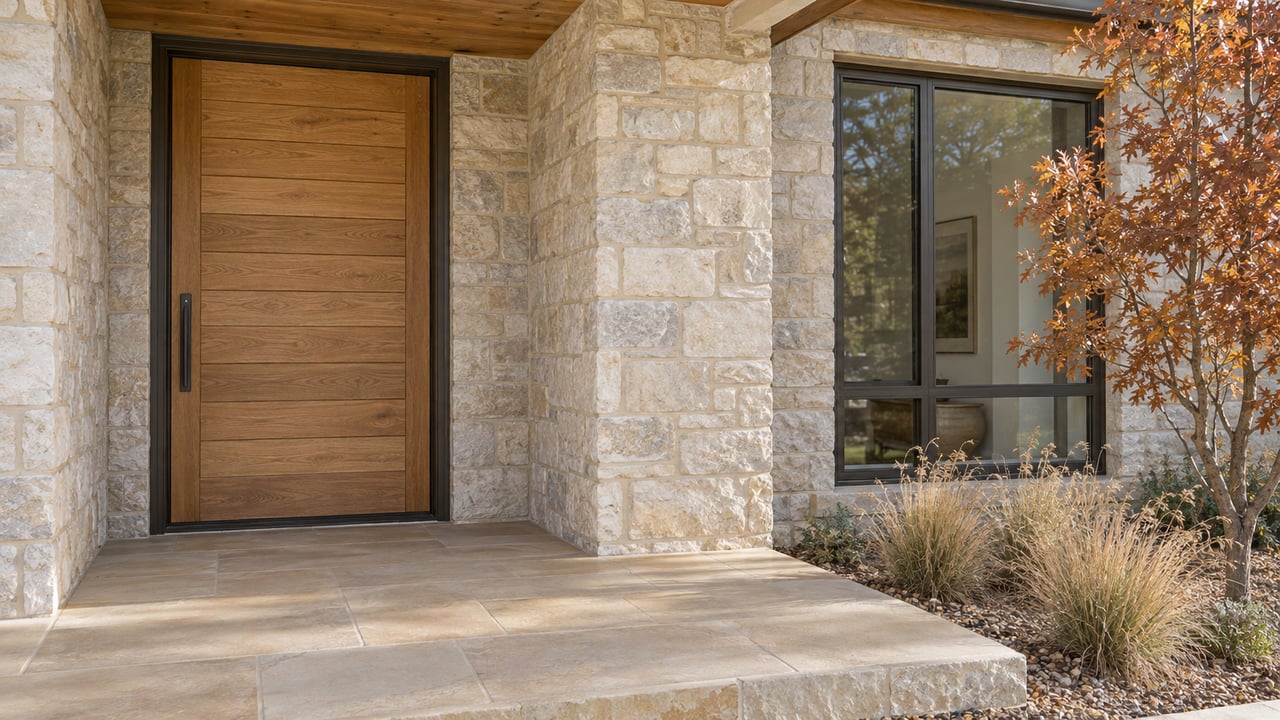
Because local standards emphasize harmony with the setting, exterior material choices carry extra weight. Stone, wood, stucco, brick, and earth-toned palettes are all consistent with the guidance seen in Castle Rock and Douglas County. Even when a home has more contemporary lines, those materials often help it feel right for the location.
For homeowners thinking about paint, façade changes, or hardscape improvements, the goal should be cohesion. Buyers often notice when an exterior feels polished and intentional, even if they cannot immediately explain why.
Landscaping Is Part of the Design Story
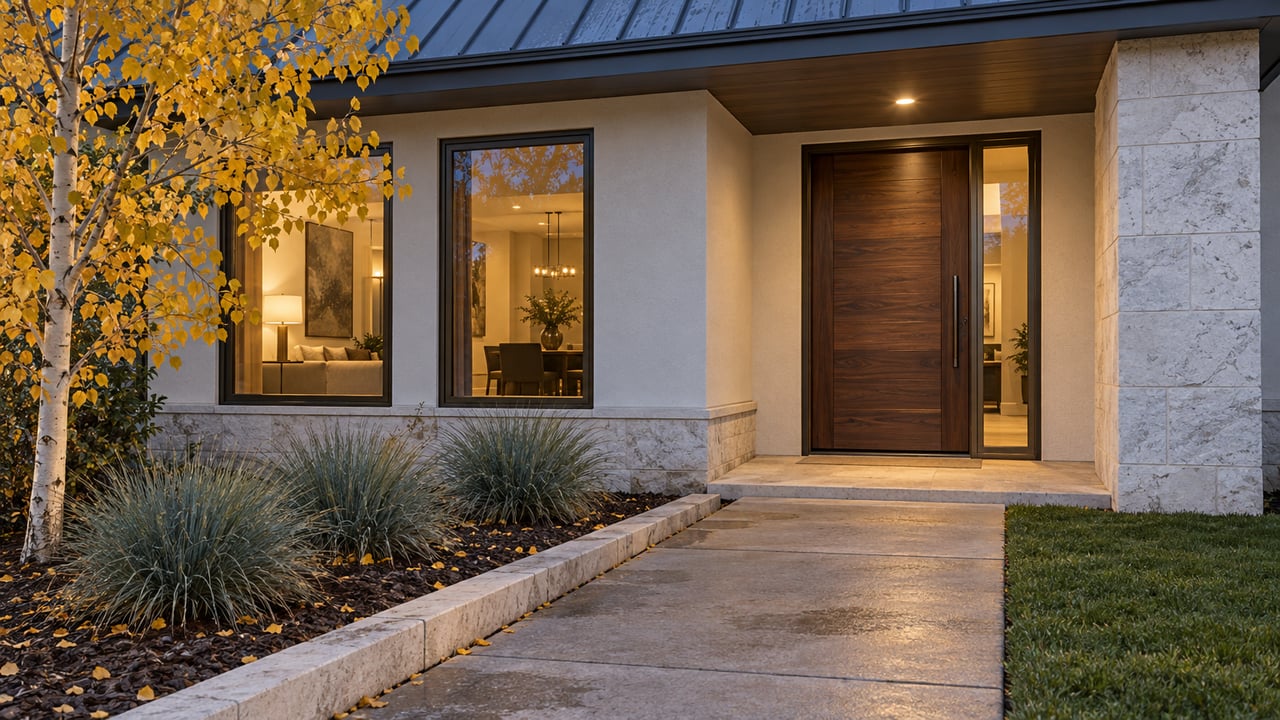
In Castle Rock, curb appeal is no longer just about lawn and flower beds. The Town’s ColoradoScape rules say that homes permitted and built after January 1, 2023 can have no turf in the front yard and no more than 500 square feet of turf in the back yard. The Town also encourages HOA- and builder-approved water-wise landscapes.
That means native planting, stone, mulch, and restrained lawn areas are becoming part of the modern Castle Rock look. For buyers, this can shape how a home feels from the street. For sellers, it is a reminder that landscaping choices should support both appearance and local expectations.
How Architecture Affects Resale Value
Buyers notice authenticity
In Castle Rock, buyers are often responding to more than square footage. They also notice whether a home’s design feels consistent from the outside in. When exterior style, interior finishes, and landscaping all feel aligned, the home tends to present as more thoughtful and more complete.
That does not mean every home needs a luxury-level remodel. It means updates should make sense for the home’s architecture, lot, and neighborhood. Consistency often creates a stronger impression than trend-chasing.
Story matters in the luxury market
For higher-end homes, architecture and design are part of the property’s story. A mountain contemporary home with window walls, stone fireplaces, timber accents, and a strong indoor-outdoor connection tells a different story than a modern farmhouse with a bright kitchen, black fixtures, and a clean open layout. Both can be compelling, but the marketing should reflect what makes that home distinct.
That is especially important in Castle Rock’s luxury and upper move-up segments, where presentation can shape how buyers perceive value. Clear positioning around style, setting, and design intent helps a home stand out in a competitive market.
What Buyers Should Look For
If you are buying in Castle Rock, it helps to look beyond the label on the listing. Terms like mountain modern, rustic contemporary, craftsman, or farmhouse can be useful, but the details matter more. Focus on how the home relates to the site, how the materials work together, and whether the layout fits your daily life.
A few smart questions to ask include:
- Does the exterior style fit the neighborhood and lot?
- Do the interior finishes feel cohesive with the home’s architecture?
- Are outdoor spaces designed to be used, not just seen?
- If the home is older, have updates respected its original proportions and character?
- If the home is newer, do landscaping and exterior choices align with current local standards?
What Sellers Should Consider Before Listing
If you are preparing to sell, design choices can shape first impressions long before a buyer studies the floor plan. Small, strategic updates often matter more than sweeping changes. The goal is to clarify the home’s architectural identity, not blur it.
That might mean simplifying finishes, refreshing paint in an appropriate palette, improving lighting, refining landscaping, or highlighting signature features like beams, fireplaces, windows, or decks. In Castle Rock’s upper-end market, buyers often respond best when a home feels both polished and true to itself.
When a property has a strong architectural point of view, marketing should bring that story forward. That is where a thoughtful, white-glove approach can make a meaningful difference in how the home is perceived and how well it performs.
If you are thinking about buying or selling in Castle Rock and want expert guidance on how architecture, design, and presentation affect value, connect with Stacie Chadwick. Her local market insight and tailored approach can help you evaluate a home’s style, position it effectively, and make confident decisions.
FAQs
What architectural styles are common in Castle Rock homes?
- Castle Rock includes a mix of historic bungalows, frame and stone homes, mountain contemporary houses, modern farmhouse designs, craftsman-inspired homes, and rustic contemporary estate properties.
What defines mountain contemporary design in Castle Rock?
- In Castle Rock, mountain contemporary homes often feature expansive windows, vaulted ceilings, stone fireplaces, wood accents, covered decks, and clean lines that connect the home to views and natural light.
How should you update an older Castle Rock home?
- For an older Castle Rock home, the best approach is usually to preserve original proportions and key materials such as brick, stone, stucco, or painted wood while making updates that fit the home’s existing character.
What interior features are popular in Castle Rock homes?
- Popular interior features in Castle Rock homes include open floor plans, large kitchen islands, quartz or granite counters, wide-plank flooring, neutral palettes, wood beams, and strong indoor-outdoor connections.
How do Castle Rock landscaping rules affect curb appeal?
- Castle Rock landscaping rules for newer homes limit turf in front yards and restrict backyard turf size, which makes water-wise planting, stone, mulch, and more restrained lawn areas an important part of the local design aesthetic.
Why does architectural consistency matter for Castle Rock resale?
- Architectural consistency matters in Castle Rock because buyers often respond positively when a home’s exterior, interior finishes, and landscaping feel cohesive and appropriate for the neighborhood and setting.