If you’re thinking about selling a luxury home in Lone Tree, timing can shape everything from buyer attention to your negotiating power. The good news is that this market still supports strong prices for well-positioned homes, but buyers are more selective than they were a few years ago. That means you need more than a beautiful property. You need the right launch plan, the right price, and the right season. Let’s dive in.
Why timing matters in Lone Tree
Lone Tree remains a higher-end South Metro market, but it is not moving at the breakneck pace many sellers remember from the boom years. In April 2026, Realtor.com reported 115 homes for sale in Lone Tree, a median listing price of $834,250, and 40 median days on market. The city was still described as a seller’s market, but homes were taking longer to sell than in the ultra-tight years.
That shift matters even more in the luxury segment. Douglas County’s April 2026 single-family update showed 3.2 months of inventory, 42 days on market, and 99.2% of list price received. In plain terms, buyers are still active, but they are taking their time and comparing options more carefully.
For luxury sellers, timing is less about chasing a perfect week and more about launching when demand, presentation, and pricing all line up. In a market like Lone Tree, that alignment can make the difference between strong early momentum and a listing that lingers.
Best time to list a luxury home
For most Lone Tree luxury sellers, the strongest listing window is late February through mid-April. Based on local and national market research, late March and early April appear to offer the best overlap between rising buyer demand and still-manageable competition.
Realtor.com identified April 12 to 18, 2026, as the strongest national listing week, noting that homes listed during that stretch historically earned 16.7% more views, sold about nine days faster, and carried median listing prices roughly $26,000 above the start of the year. That does not guarantee the same result for every luxury home, but it points to a strong early spring pattern.
Denver-area data reinforces that trend. DMAR reports that the $1 million-plus segment historically picks up after mid-February, while inventory typically peaks in May or June. For a Lone Tree seller, that suggests a practical sweet spot: launch before inventory swells, while buyer energy is building.
Why spring usually works best
Spring tends to give luxury homes the broadest audience. More buyers are actively touring, more relocating households are planning moves, and your home often shows especially well with better light and improved landscaping.
Just as important, listing earlier in the spring can help you stand out before the market becomes more crowded. Once inventory builds in May and June, buyers usually have more choices. That often leads to more comparison shopping and more pricing pressure.
Is spring always the answer?
Usually, yes, if your goal is maximum exposure. But it is not an ironclad rule.
A well-priced, move-in-ready luxury home can still sell outside the spring market. The difference is that off-season listings usually leave less room for error. If your home launches in summer, fall, or winter, pricing discipline and polished presentation become even more important.
What Lone Tree luxury data tells you
Not all luxury homes are performing the same way, and that is a key part of timing your sale correctly. In Lone Tree, upper-tier neighborhoods sit well above the citywide median. Realtor.com’s April 2026 snapshot showed Heritage Hills at a median list price of $1.749 million with 41 days on market, while Rampart Range and RidgeGate West were both at $1.11 million and 27 days on market.
That tells you there is meaningful demand at higher price points, but not unlimited demand. A luxury home can command premium pricing only when it is positioned well and meets buyer expectations on condition, design, and presentation.
DMAR’s luxury reports also show a split by price band. Homes priced from $1 million to $2 million had less than three months of inventory, while homes over $2 million had 4.97 months. In April 2026, only detached properties over $2 million were above four months of inventory, which points to more selectivity as price rises.
If your home is priced over $2 million
If your Lone Tree home is above $2 million, you should expect a more measured pace. There are still buyers, but the pool is narrower and they tend to be more discerning.
This does not mean you should rush to market before your home is ready. It means your timing should include enough runway for proper preparation, strategic pricing, and a high-level launch. In this tier, buyers are often willing to pay for quality, but they are less likely to overlook dated finishes, deferred maintenance, or weak marketing.
Timing alone will not carry the sale
This is one of the biggest lessons in today’s market. Calendar timing helps, but it cannot rescue a listing that is overpriced or underprepared.
By May 2026, DMAR reported that the $1 million-plus market remained resilient, with pending transactions up 3.10% month over month and closed transactions up 5.29%. At the same time, the report noted that turnkey homes priced accurately for 2026 were still being rewarded, while older inventory was selling with more negotiation.
That is a critical takeaway for Lone Tree sellers. If your home is fully renovated, beautifully maintained, or uniquely positioned, you may have more pricing room. If it is dated or needs work, the market may still absorb it, but buyers will likely expect concessions or a lower price.
Start preparing at least four weeks early
If you want to hit the best spring window, preparation needs to begin well before your listing goes live. Realtor.com’s seller survey found that 53% of planned sellers took one month or less to get ready. In luxury real estate, a thoughtful pre-launch calendar is often the smarter move.
A rushed listing can miss the moment you were trying to capture. If repairs are unfinished, staging is incomplete, or photography happens after the home is already on the market, you can lose early momentum.
A smart luxury prep timeline
For most Lone Tree luxury homes, plan to start at least four weeks before your target launch week. If you need vendor scheduling, cosmetic updates, or more extensive staging, earlier is even better.
A solid prep sequence often looks like this:
- Complete repairs and touch-ups
- Declutter and simplify each room
- Stage key spaces such as the living room, primary bedroom, dining room, and kitchen
- Schedule photography and visual marketing assets
- Finalize pricing and go-to-market strategy before launch
According to the 2025 staging report cited in the research, 83% of buyers’ agents said staging helped buyers visualize the home. Nearly half said staging reduced time on market, and 29% of sellers’ agents said it increased the dollar value offered by 1% to 10%.
Presentation matters in a selective market
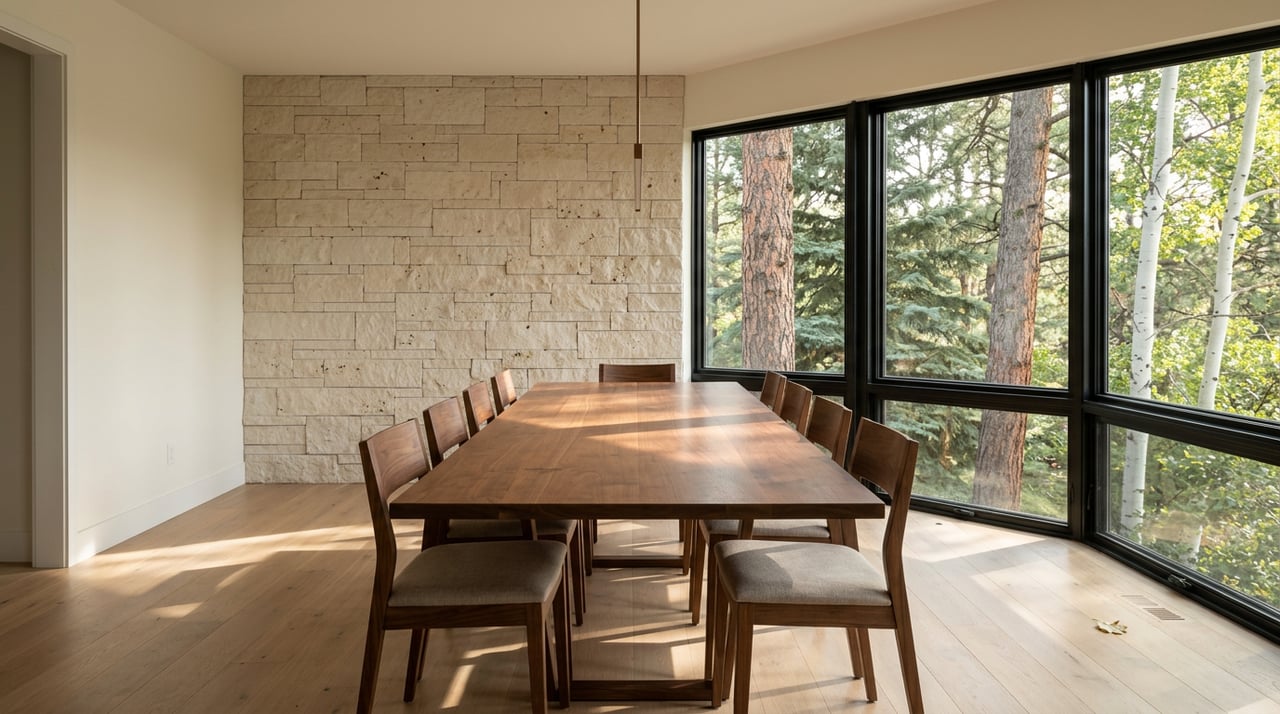
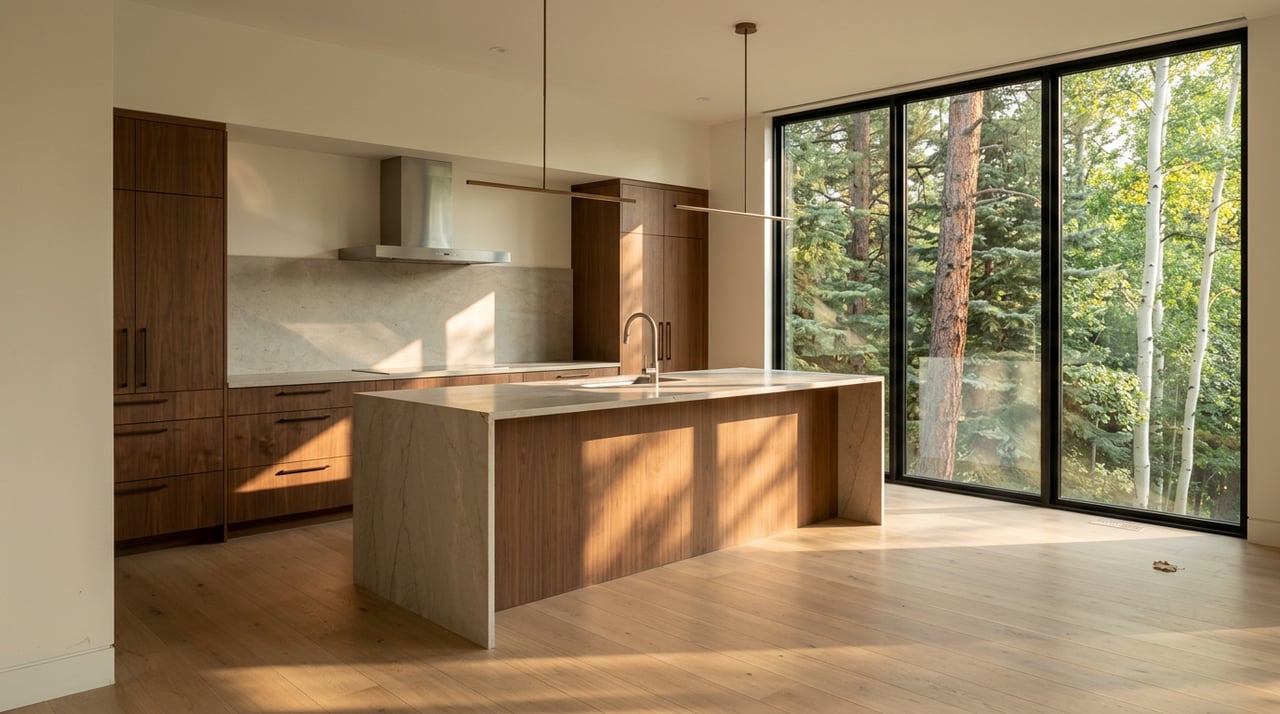
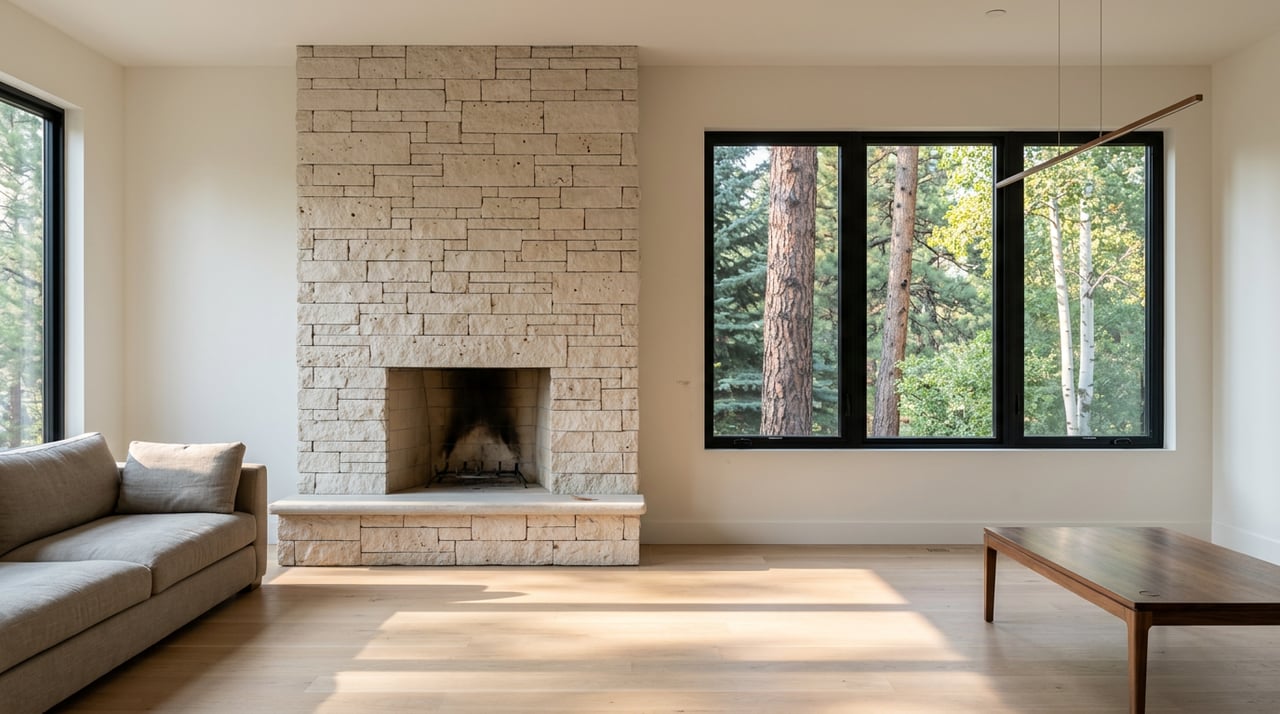
Luxury buyers are not simply buying square footage. They are responding to how a home feels, how it lives, and how clearly its value is communicated.
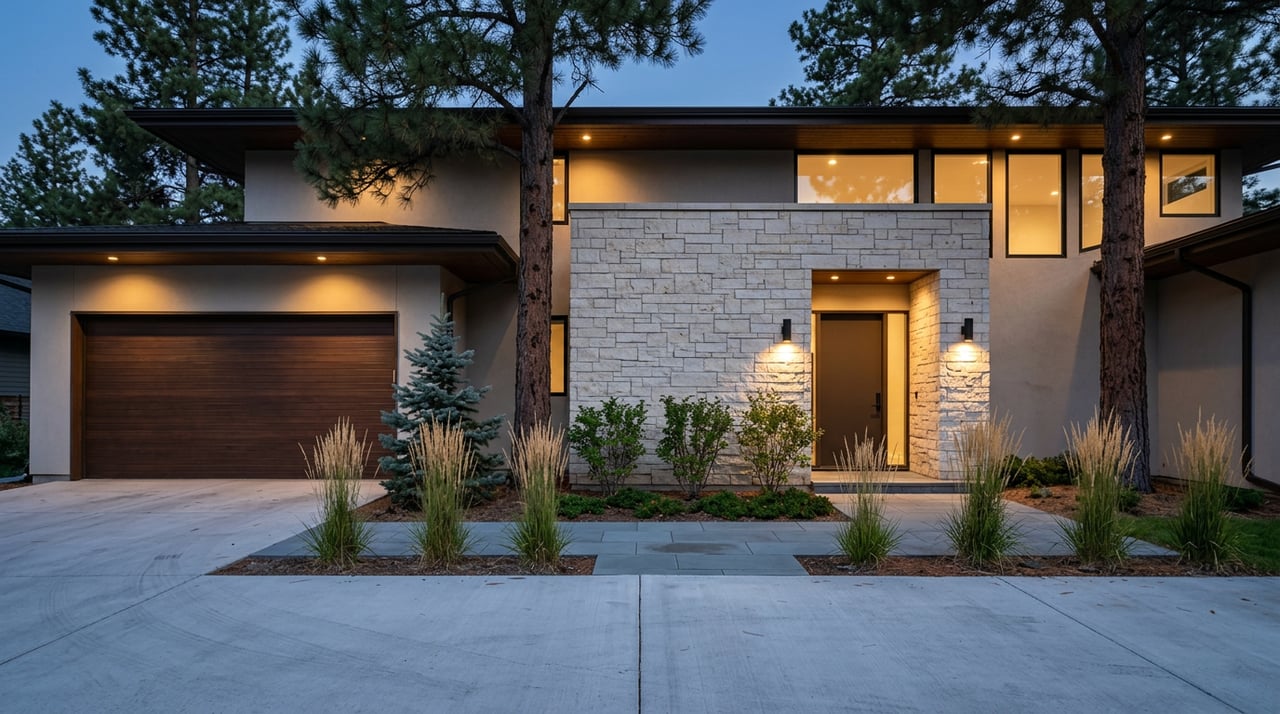
In Lone Tree, where premium neighborhoods can support strong prices, presentation is often what separates a fast, confident sale from a listing that requires price adjustments. This is especially true now that days on market have risen and buyers have become more deliberate.
That is why the best launch plans do not treat photography, staging, and storytelling as extras. They treat them as part of pricing strategy. A beautifully presented home can better justify its price and create stronger first impressions during the most important days of the listing.
What to do if you miss spring
If you miss the late February through mid-April window, you do not need to panic. But you do need to adjust expectations.
DMAR’s November 2025 report showed the usual holiday slowdown, with new listings down 41.39% from October and active inventory down 15.92%. Realtor.com also notes that views per listing tend to cool in late summer and early fall. That means homes can absolutely sell later in the year, but they may need more patience and sharper pricing.
How to approach an off-season sale
If you plan to list outside spring, focus on the things you can control:
- Price with precision from day one
- Make the home fully market-ready before launch
- Highlight features that create immediate buyer confidence
- Be prepared for a smaller, more selective buyer pool
In other words, timing still matters, but execution matters more.
The practical answer for Lone Tree sellers
So, when should you list a luxury home in Lone Tree? For most sellers, the best-supported answer is late March through mid-April, with the broader practical window beginning in late February.
That timing aligns with rising activity in the Denver-area luxury segment and with the strongest national early spring listing trends. It can help you capture stronger buyer attention before inventory peaks in May or June.
Still, the market data points to a bigger truth. The best results usually come from the combination of smart timing, disciplined pricing, and polished presentation. When those three pieces work together, your home has the best chance to stand out and sell on strong terms.
If you’re planning a move in Lone Tree and want a thoughtful strategy built around your home, your timing, and your goals, connect with Stacie Chadwick for a tailored luxury listing plan.
FAQs
When is the best month to list a luxury home in Lone Tree?
- For most luxury sellers in Lone Tree, late March and early April offer the strongest combination of buyer activity and manageable competition, with the broader window starting in late February.
Should you wait until spring to sell a Lone Tree luxury home?
- Spring is usually the best season for maximum exposure, but a well-priced and well-presented luxury home can still sell outside spring if you plan carefully.
How early should you prepare before listing a luxury home in Lone Tree?
- A good rule is to begin at least four weeks before your target listing date, and earlier if your home needs repairs, staging, or scheduling for professional marketing.
Does pricing matter more than timing for a Lone Tree luxury home?
- Both matter, but current market data shows that timing alone will not overcome overpricing or weak condition. Accurate pricing and strong presentation are essential.
What changes if your Lone Tree home is priced above $2 million?
- Homes above $2 million generally face more inventory pressure and a more selective buyer pool, so preparation, pricing, and presentation become even more important.