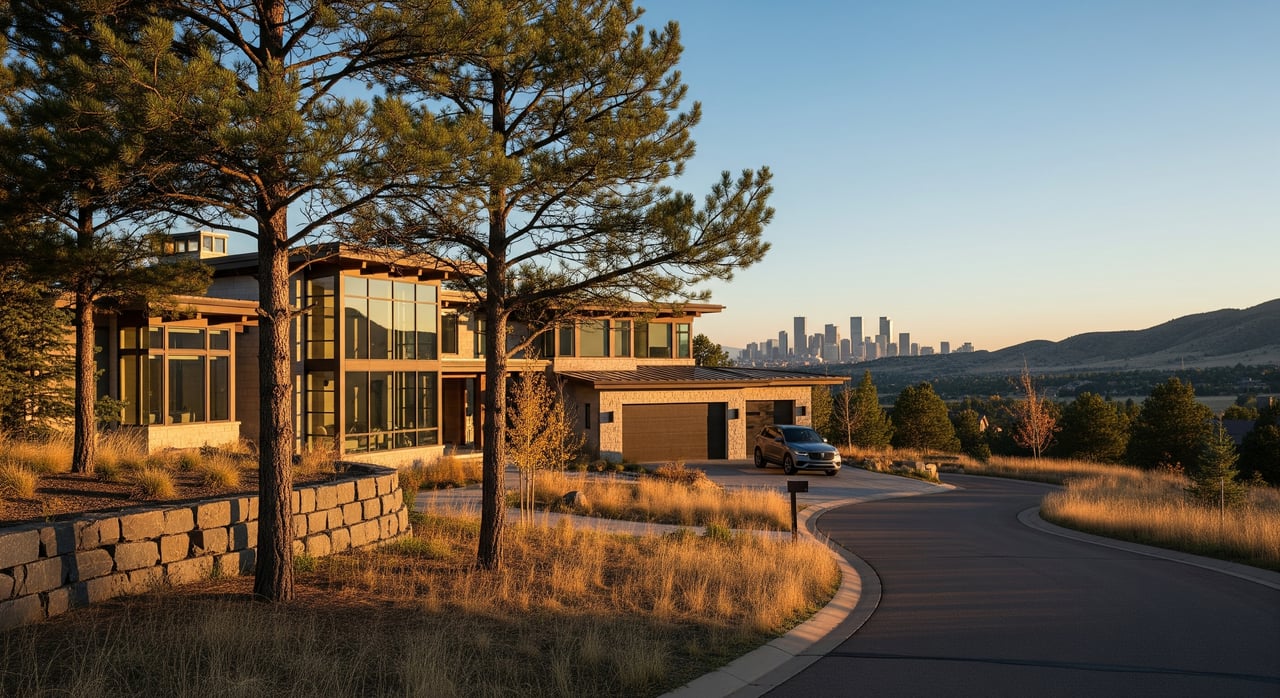
You want a smooth Denver Tech Center commute without giving up the lifestyle you love. If you are deciding between Castle Pines and Lone Tree, the choice often comes down to time versus space. Both sit in Douglas County and both are popular with DTC professionals, but they deliver very different day‑to‑day experiences. In this guide, you’ll see clear, side‑by‑side differences in commute times, transit access, housing styles, HOAs, and amenities so you can pick the best fit with confidence. Let’s dive in.
Quick take: time vs lifestyle
Choosing between these two usually starts with a simple tradeoff:
- Lone Tree typically means a shorter, more predictable DTC commute, stronger light rail access, and walkable mixed‑use conveniences.
- Castle Pines typically means more space and privacy, larger lots, and more gated/HOA neighborhoods, with a longer drive or a drive‑to‑transit routine.
If your top priority is shaving minutes off rush hour, Lone Tree usually wins. If you want elbow room and a quieter setting, Castle Pines often comes out ahead.
Commute routes and drive times
Your daily route shapes your lifestyle. Here is what most commuters experience in normal conditions:
- Lone Tree to DTC by car: about 10–25 minutes for many trips, using I‑25 northbound as the primary route. Short hops within Lone Tree to southern DTC submarkets can be even quicker.
- Castle Pines to DTC by car: about 20–40+ minutes for many origins. Proximity to I‑25 helps, but the average is higher due to extra distance and I‑25 congestion.
Reliability matters as much as averages. Common choke points include merges and on/off ramps near C‑470 and the DTC core. Snow and ice increase variability in winter. On incident days, both drives can stretch. Some Castle Pines commuters use E‑470 as a toll option to reduce variability.
Pro tip: If predictability is essential to your workday, favor Lone Tree or a Castle Pines location with quick I‑25 access and a flexible departure window.
Transit options and multimodal choices
If you want to keep the car parked several days a week, Lone Tree typically makes transit easier.
- Lone Tree: Served by RTD light rail along the Southeast Corridor. Many residents walk, bike, or take a short drive to a station, then ride north to DTC or downtown. Park‑and‑ride and local bus links support a reliable routine.
- Castle Pines: No direct light rail within most neighborhoods. A common pattern is driving to a nearby RTD station or park‑and‑ride, then taking rail. The combined time is usually longer than a direct Lone Tree rail commute but can be less stressful than driving the full route during peak congestion.
Other options include carpools and vanpools, employer transit pass programs, and occasional employer‑run shuttles from major stations. Bike commuting is more realistic near Lone Tree city‑center and within the DTC when distances are short and weather is favorable.
Neighborhood vibe and housing
You feel the difference the moment you pull in. Both are high‑quality communities with distinct personalities.
Lone Tree vibe
- Mixed‑use suburban with active retail and dining nodes.
- Transit‑oriented development near light rail and I‑25, creating walkable pockets.
- Housing includes newer apartments and condos, townhomes, and single‑family homes, which gives commuters flexible options near transit.
Castle Pines vibe
- Low‑density suburban with a semi‑rural feel in places.
- Emphasis on natural open space, private streets, and a quieter environment.
- Housing is predominantly single‑family, including custom and luxury homes with larger lots and higher square footage.
If you want a turnkey condo a few minutes from the office or rail, Lone Tree provides more choices. If you aim for a larger residence with privacy and outdoor space, Castle Pines offers a deeper bench of options.
HOA and gated considerations
Rules and fees vary widely and can influence your monthly and long‑term costs, especially in gated and amenity‑rich communities.
- Castle Pines: Multiple gated neighborhoods and active HOAs are common. Dues may cover private road maintenance, landscaping, snow removal, and shared amenities. Golf or club settings can add separate fees.
- Lone Tree: HOAs are typical for condos, townhomes, and some subdivisions. Gated single‑family enclaves exist but are less prevalent than in Castle Pines. Condo/townhome HOAs often include exterior maintenance and amenity management.
Before you commit, request current HOA budgets, reserve studies, CC&Rs, and meeting minutes. Verify parking rules, rental caps, EV charging permissions, and snow removal standards, especially if you rely on early departures during winter.
Amenities and after‑work lifestyle
Your evening routine matters on busy weeks. Here is what stands out for commuters.
Lone Tree highlights
- Park Meadows and nearby centers provide concentrated retail and dining, often within short drives or walkable nodes.
- Quick access to DTC‑area offices, restaurants, fitness, and medical services supports efficient errand runs and meetups.
- Transit hubs and park‑and‑rides make it easier to skip driving when schedules allow.
Castle Pines highlights
- Neighborhood‑focused amenities and abundant open space, with golf and private club options in certain communities.
- Smaller, more dispersed retail clusters. Many residents drive to Lone Tree, Castle Rock, or Highlands Ranch for broader choices.
- Strong access to trails and regional open spaces, plus convenient routes for weekend mountain trips.
If you enjoy dinner out and last‑minute errands near home, Lone Tree typically fits better. If you value quiet evenings, wildlife views, and room to roam, Castle Pines is compelling.
Which one is right for you?
Use this quick decision lens:
- If you need predictable commute windows and want rail access or walkable conveniences, choose Lone Tree.
- If your priority is a larger home, privacy, and a quieter setting, choose Castle Pines and plan for a longer drive or a drive‑to‑transit routine.
To sharpen your decision, test your door‑to‑door commute during your usual departure windows. Include first‑mile time to a station or park‑and‑ride if transit is part of the plan. Ask your employer about parking options and transit pass benefits.
Buyer checklist for DTC commuters
- Define your maximum acceptable rush‑hour commute time, plus how much flexibility you have.
- Decide whether you want guaranteed predictability or more space and privacy.
- If using transit, measure your walk or drive to the nearest station and typical park‑and‑ride experience.
- Decide whether E‑470 and express lanes fit your budget and tolerance for tolls.
- Choose your housing type preference and factor in HOA fees, rental rules, and maintenance coverage.
- Request HOA financials, CC&Rs, reserve studies, and recent assessments for shortlisted homes.
- Confirm parking capacity, guest parking rules, and EV charging needs.
- Ask your employer about transit subsidies, shuttles, and parking passes.
- Verify snow removal standards on private streets in winter.
- Check for planned road or commercial projects that could impact commute quality.
The bottom line
You cannot go wrong with either Castle Pines or Lone Tree. The “best” choice depends on how much you value a swift, predictable commute versus the space, privacy, and setting you want at home. With the right guidance, you can align both your workday and your lifestyle.
Ready to explore homes that match your commute and your wish list? Connect with Stacie Chadwick and her LIV Sotheby’s International Realty team for a tailored, white‑glove search that puts your time and lifestyle first. Let’s Connect.
FAQs
How long is the typical Lone Tree to DTC drive?
- Expect about 10–25 minutes in normal weekday traffic, with shorter times for nearby southern DTC destinations.
How long is the typical Castle Pines to DTC drive?
- Expect about 20–40+ minutes depending on your exact location, departure time, and I‑25 conditions.
Is light rail practical from Lone Tree to the DTC?
- Yes. Lone Tree is served by RTD light rail along the Southeast Corridor, offering predictable trips to many DTC offices.
Can I use transit from Castle Pines to the DTC?
- Often you will drive to a nearby station or park‑and‑ride, then take RTD rail; the combined time is typically longer than from Lone Tree.
Are gated communities more common in Castle Pines?
- Yes. Castle Pines has multiple gated neighborhoods with HOAs that manage private roads and shared amenities.
Where are the biggest commute slowdowns?
- I‑25 through the south metro area, especially near C‑470 and the DTC on‑ and off‑ramps; winter weather increases variability.
Does E‑470 help Castle Pines commuters?
- It can. E‑470 may reduce travel time and variability for some routes at the cost of tolls.