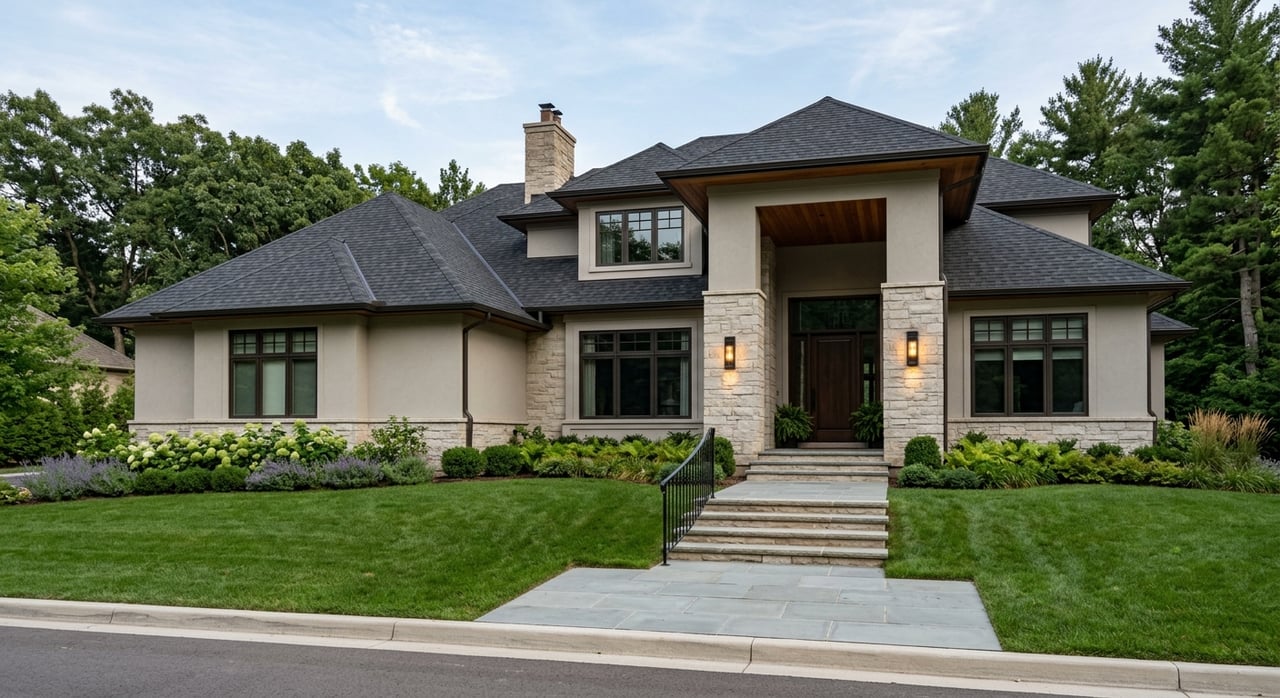
Wondering whether life in The Village at Castle Pines is the right fit for you? This is one of the most distinctive gated communities in Douglas County, and its appeal goes far beyond the entry gates. If you are considering a home here, it helps to understand not just the setting and amenities, but also how the HOA structure, rules, and monthly costs shape daily life. Let’s dive in.
What Makes The Village Unique
The Village at Castle Pines is a covenant-controlled, gated community in unincorporated Douglas County with about 1,900 homes across 2,800 acres. According to The Village at Castle Pines, the community includes five staffed gates and 40 full-time Emergency Services professionals, all within a forested setting that still offers access to the Denver Tech Center, downtown Denver, and DIA.
That combination creates a very specific ownership experience. You are not just buying a home. You are buying into a highly managed community with extensive services, shared amenities, and a strong emphasis on consistency, stewardship, and privacy.
How The HOA Is Structured
A key detail for buyers is that The Village operates with a master association plus neighborhood-level sub-associations. The Castle Pines Homes Association serves as the master property owners association and was created in 1981 as a non-profit membership corporation.
CPHA notes that the community is supported by five full-time staff members and more than 100 volunteers serving on ten committees. That is part of why the Village often feels more like a small town than a typical subdivision.
Master HOA And Sub-Associations
The Village includes 19 sub-associations, and each one can have its own governing documents and assessments. In practice, that means your home may be subject to both:
- Master HOA covenants and rules
- Sub-association rules
- Master HOA dues
- Additional sub-association dues
Before you close, you will want to review both layers carefully. This is especially important if you are comparing a custom home to a cluster property, since the dues structure and maintenance expectations may differ.
What HOA Dues Typically Cover
Monthly HOA assessments help fund many of the services and amenities that define Village living. The official dues page says assessments support services such as Emergency Services and trash collection, along with upkeep for pools, trails, courts, and other shared amenities.
Dues are due on the first of each month and become late after the 15th. The public HOA page explains the billing structure, but buyers should always confirm the current amount through the HOA and the listing paperwork during due diligence.
Costs Can Vary By Property Type
The dues structure is not identical across the community. CPHA states that service assessments are based on whether a home is a custom property or a cluster property, and homes in sub-associations may have added monthly dues paid directly to that sub-association.
Recent public listing examples have shown HOA fees around $300 per month on some homes, with one example also showing an added sub-association fee of $258 per month. Those figures are examples rather than an official fee schedule, but they do show why it is important to ask for a full monthly cost breakdown before moving forward.
HOA Dues Vs. Metro District Costs
One common point of confusion is the difference between HOA dues and Metropolitan District charges. They are not the same thing, and both can affect your monthly or annual carrying costs.
The Castle Pines Village Metropolitan District FAQ states that the district provides water, wastewater, roadway maintenance, street lighting, snow plowing on Metro roads, and stormwater services. The district also notes a current mill levy of 33.834 mills, and water billing is based on a property-specific water budget.
Why This Matters To Buyers
When you evaluate affordability in The Village, look beyond the mortgage payment. Ask for a complete picture that includes:
- Master HOA dues
- Sub-association dues, if applicable
- Metro District taxes and service costs
- Water billing structure
- Any club memberships you may want separately
This gives you a far more accurate sense of ownership costs and helps avoid surprises after closing.
Design Review Shapes The Look And Feel
If you value a polished, cohesive community appearance, The Village may feel like a strong fit. If you prefer maximum flexibility with your property, you will want to read the rules in detail.
The Design Review Committee oversees exterior changes that affect the outward appearance of a home or lot. That includes additions, outdoor kitchens, lighting, hot tubs, play sets, sports courts, and landscape changes.
Expect Detailed Approval Standards
The Village also identifies itself as a dark sky community, so exterior lighting is intentionally controlled. Current Rules and Regulations outline additional standards for items such as recreational equipment, outdoor storage, visible fence lines, and garage-door use.
Sub-associations can be more restrictive than the master association. In some cases, the master Design Review Committee can defer to neighborhood-specific rules, which makes it even more important to review every governing document tied to the property you are considering.
Rental And Daily Living Rules
The Village is designed for long-term residential use, not short-term turnover. That shows up clearly in the rental policy.
According to the current Rules and Regulations, homes may be rented for at least six months without HOA approval. Rentals between three and six months require board approval, and rentals shorter than three months are not allowed.
Other Rules To Know
Day-to-day policies also support a more controlled living environment. The rules address topics such as:
- Outdoor cameras viewing another home without permission, except for doorbell cameras
- Traffic and speed limits
- Parking standards
- Golf cart, scooter, and bike use
- Overnight parking restrictions
The community also has an Enforcement Committee that holds monthly hearings on covenant violations. For many buyers, that level of oversight is a positive because it supports consistency. For others, it may feel more hands-on than they want.
Amenities That Support The Lifestyle
One reason buyers are drawn to The Village is the broad amenity package. The community amenities page highlights the Canyon Club, Summit Club, Village Lake Fitness Center, 13 miles of trails, pocket parks, playgrounds, and playing fields.
It is also worth noting that the golf clubs associated with the setting are private clubs, and golf memberships are separate from HOA dues. If golf access matters to you, that should be part of your planning and budget conversation.
Canyon Club And Summit Club
The Canyon Club includes:
- Five tennis courts
- Four pickleball courts
- A basketball court
- A sand volleyball court
- A pavilion
- A playing field
- A playground area
Summit Club offers a zero-entry pool, grills, a pavilion, a field, and an observation deck. It is open to residents on a first-come, first-served basis and cannot be reserved for private functions.
Fitness And Trails
The Village Lake Fitness Center is free for residents and open daily from 4:30 a.m. to 10:00 p.m. It is an adult-only facility for ages 18 and up, with cardio equipment, weights, TRX, yoga space, a seasonal heated outdoor lap pool, and a spa.
The trail system is another major lifestyle feature. The Village says it has about 13 miles of trails with paved, recycled-asphalt, gravel, and rustic native segments. Trails are mainly for pedestrians, though bicycles and scooters are allowed on paved trails with a 10 mph limit and pedestrian right-of-way.
Community Events And Involvement
Lifestyle here is not limited to amenities alone. The Village also supports a calendar of resident events and volunteer involvement.
The social page mentions welcome events, Fourth of July celebrations, Music or Movies in the Park, and the Emergency Services Pancake Breakfast. There are also committees tied to communications, wildlife, forest stewardship, parks and recreation, planning, and technology.
For some buyers, that adds a meaningful sense of connection and continuity. For others, it simply means there are optional ways to get involved without leaving the neighborhood.
Safety And Forest Stewardship
Security and emergency response are central parts of the Village identity. According to the Emergency Services page, the community provides staffed-gate access, 24/7/365 Emergency Services, alarm monitoring, and vacation-check systems.
The official site also states that the community has earned Firewise USA certification, reflecting its focus on wildfire readiness and forest stewardship. In a forested Colorado setting, that can be an important part of how you evaluate long-term ownership, maintenance expectations, and peace of mind.
Is The Village Right For You?
The Village at Castle Pines offers a high-service, high-amenity, and highly governed ownership model. If you value staffed gates, emergency response, trails, recreation, and a strong design standard, that can be a compelling combination.
At the same time, this is not a lightly regulated community. Because of the master HOA, sub-associations, design review process, rental rules, and separate Metro District responsibilities, buyers should go in with a clear understanding of both the benefits and the obligations.
If you are considering a purchase in The Village, the right guidance can make a big difference. From comparing sub-associations to reviewing carrying costs and understanding lifestyle fit, working with an experienced local advisor helps you make a more confident decision. If you would like tailored guidance on buying in The Village at Castle Pines, connect with Stacie Chadwick.
FAQs
What does the HOA in The Village at Castle Pines cover?
- The master HOA helps fund services such as Emergency Services, trash collection, and upkeep of pools, trails, courts, and other shared amenities.
Are there multiple HOA fees in The Village at Castle Pines?
- Yes. Some homes are subject to both master HOA dues and additional sub-association dues, so you should verify both before closing.
What is the difference between HOA dues and Metro District charges in Castle Pines Village?
- HOA dues support community services and amenities, while Metro District charges relate to services such as water, wastewater, roadway maintenance, street lighting, stormwater, and snow plowing on Metro roads.
Do you need approval for exterior changes in The Village at Castle Pines?
- Yes. Many exterior modifications, including landscaping, lighting, play equipment, hot tubs, and additions, require review and approval through the Design Review process.
Are short-term rentals allowed in The Village at Castle Pines?
- No. Rentals shorter than three months are not allowed, and rentals between three and six months require board approval.
What amenities come with living in The Village at Castle Pines?
- Residents have access to amenities that include pools, tennis and pickleball courts, a fitness center, trails, parks, playgrounds, and playing fields, while golf memberships are separate from HOA dues.